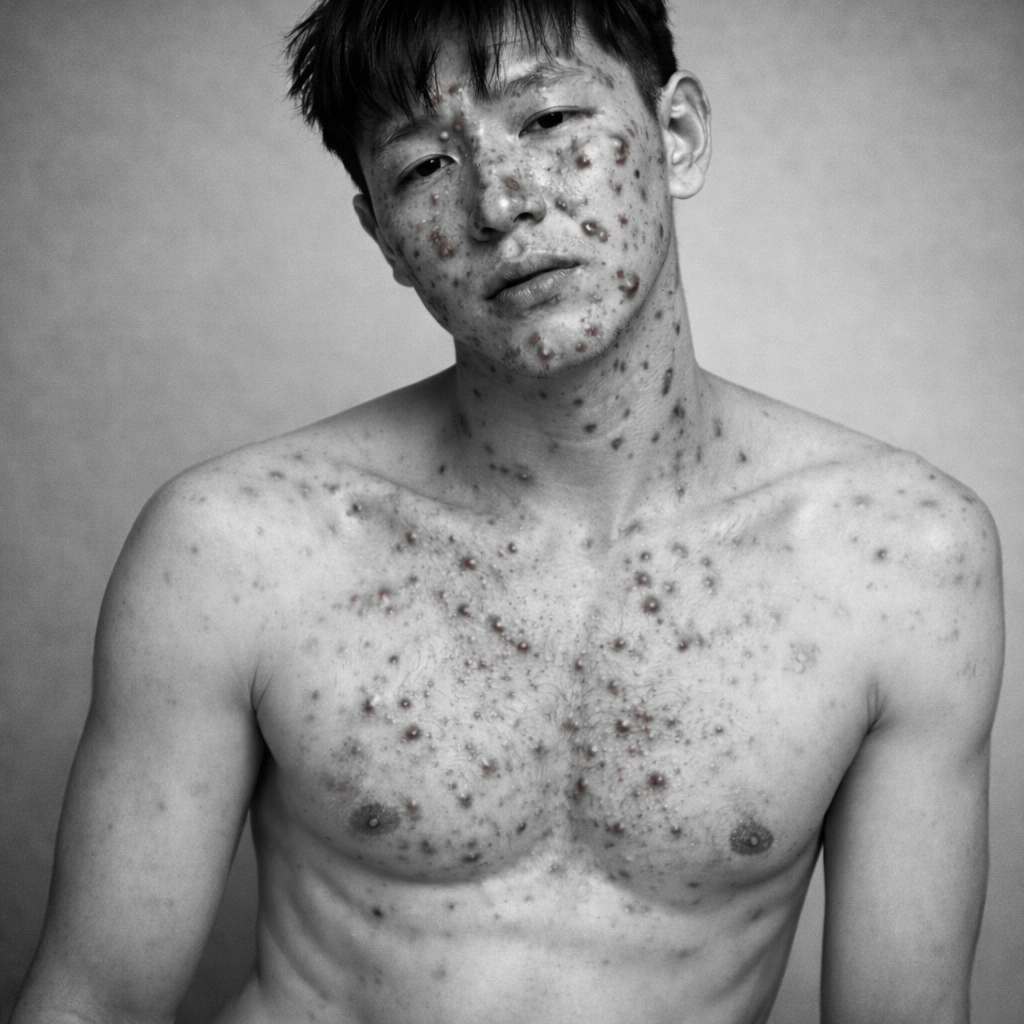
Why These Conditions Are Commonly Confused
All four can show up as redness, bumps, tenderness, or irritation in hair-bearing areas. Because hair removal interacts with follicles and the skin barrier, it often gets blamed when symptoms flare.
The mistake is treating them as the same problem.
Correct hair removal decisions depend on correct identification.
Acne
Acne is an oil-driven inflammatory condition of the follicle.
Typical features:
- Whiteheads or blackheads
- Red pimples or pustules
- Deeper cysts in severe cases
- Often hormonal or cyclical
Hair removal and acne
- Shaving: Frequently worsens acne through friction and micro-cuts
- Waxing: Can rupture active lesions and prolong inflammation
- Laser: May help indirectly by reducing shaving and irritation
- Electrolysis: Safe only when lesions are avoided and acne is controlled
Hair removal does not cause acne, but it can aggravate active breakouts.
Folliculitis
Folliculitis is inflammation or infection of the hair follicle itself. It is one of the most common conditions mistaken for acne.
Typical features:
- Small red or white bumps centered on hairs
- Itching or tenderness
- Often appears after shaving, waxing, sweating, or friction
- Can be bacterial, fungal, or mechanical
Hair removal and folliculitis
Hair removal plays a major role here.
- Shaving: One of the most common triggers
- Waxing: Can inflame follicles and worsen outbreaks
- Laser: Often improves folliculitis long term by reducing hair density
- Electrolysis: Can permanently resolve hair-driven folliculitis when performed on calm skin
Folliculitis is often caused or worsened by hair removal, unlike acne.
Dermatitis
Dermatitis is a skin barrier or immune reaction, not a follicular disease.
Typical features:
- Red, itchy, burning patches
- Scaling or flaking
- No central clogged pore or hair involvement
- Triggered by products, friction, heat, or allergens
Hair removal and dermatitis
Dermatitis and hair removal rarely mix well.
- Shaving: Common trigger
- Waxing: High risk of skin lifting and flare
- Laser: Can provoke flares if skin is inflamed
- Electrolysis: Should be avoided on active dermatitis
Hair removal should be paused until the barrier heals.
Fistulas
A fistula is not a skin condition. It is an abnormal tunnel, most often between the anal canal and skin near the buttocks.
Typical features:
- Persistent drainage
- Deep pain or swelling
- Recurrent infection
- A non-healing opening
Fistulas are frequently mistaken for acne, cysts, or boils.
Hair removal and fistulas
- Hair removal does not treat a fistula
- It cannot close or heal the tract
- It may help reduce irritation in surrounding skin folds, especially in pilonidal disease
Medical evaluation is required.
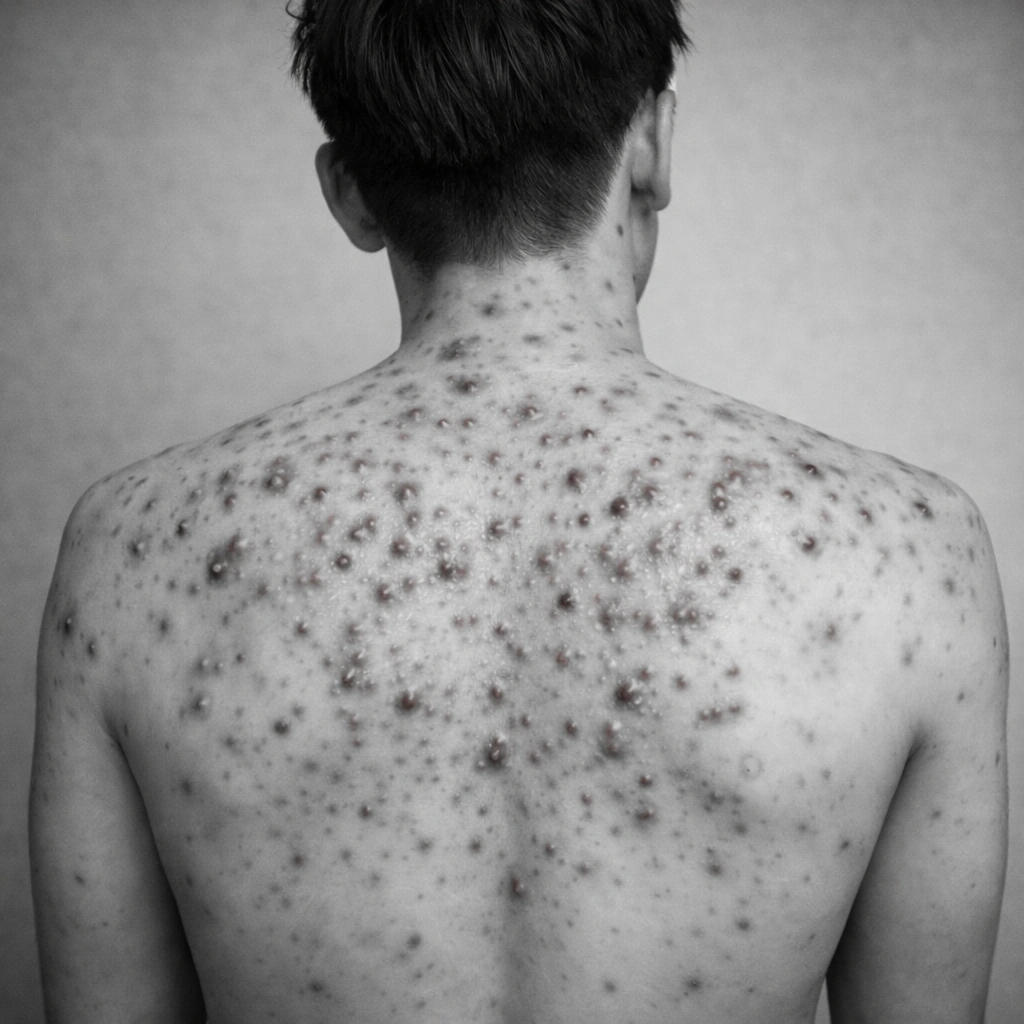
Laser Hair Removal and Acne
Laser does not clog pores and does not introduce bacteria.
How laser can help:
- Reduces hair density
- Decreases shaving frequency
- Less mechanical irritation over time
Limitations:
- Should not be performed over open acne lesions
- Temporary flare can occur as follicles shed
- Active inflammatory acne should be stabilized first
Laser can improve acne indirectly by reducing hair related irritation.
Electrolysis and Acne
Electrolysis treats one follicle at a time.
Safe when:
- Acne is mild or controlled
- Lesions are not directly treated
Not advised when:
- Active pustules or cysts are present in the treatment area
- Skin is infected or broken
Electrolysis should never be inserted into an inflamed acne lesion.
When Not to Do Hair Removal
Pause hair removal when:
- Acne is painful, cystic, or spreading
- Skin is broken, oozing, or crusted
- Prescription retinoids or isotretinoin are active unless cleared
- Infection is suspected
Calm skin heals faster and responds better.
If You Already Have Acne
Best approach:
- Stabilize acne first
- Reduce friction and trauma
- Choose methods that minimize irritation
- Space treatments appropriately
Hair removal should support skin health, not compete with it.
Acne vs Folliculitis
Many clients confuse the two.
- Acne: oil driven, hormonal, bacterial
- Folliculitis: irritation or infection of the hair follicle
Hair removal often worsens folliculitis but does not cause acne itself. Correct diagnosis matters.
When Hair Removal Should Stop
Pause all hair removal when:
- Skin is actively infected, oozing, or crusted
- Pain or swelling is increasing
- Drainage is persistent
- Redness spreads beyond follicles
Treating inflamed skin delays healing and increases complications.
Final Thoughts
Acne, folliculitis, dermatitis, and fistulas are not interchangeable diagnoses.
- Acne is oil and hormone driven
- Folliculitis is hair and friction driven
- Dermatitis is barrier and immune driven
- Fistulas are structural medical conditions
Hair removal can help folliculitis, sometimes help acne, usually worsen dermatitis, and cannot treat fistulas.
If symptoms are persistent, painful, draining, or recurring, always see your dermatologist or an appropriate medical specialist before continuing hair removal.
Correct diagnosis protects your skin and determines the right path forward.
If this is your situation, these go together. why that bump might not be an ingrown hair, hidradenitis suppurativa and hair removal, the medications and hair removal guide, how often you should actually exfoliate and hyperpigmentation versus hypopigmentation.