Why Season Matters in Hair Removal
Toronto’s weather swings hard. Hot, humid summers. Cold, dry winters. These shifts directly affect skin sensitivity, healing time, and treatment safety.
Hair removal works best when skin is calm, hydrated, and protected. Seasonal planning keeps results consistent and complications low.
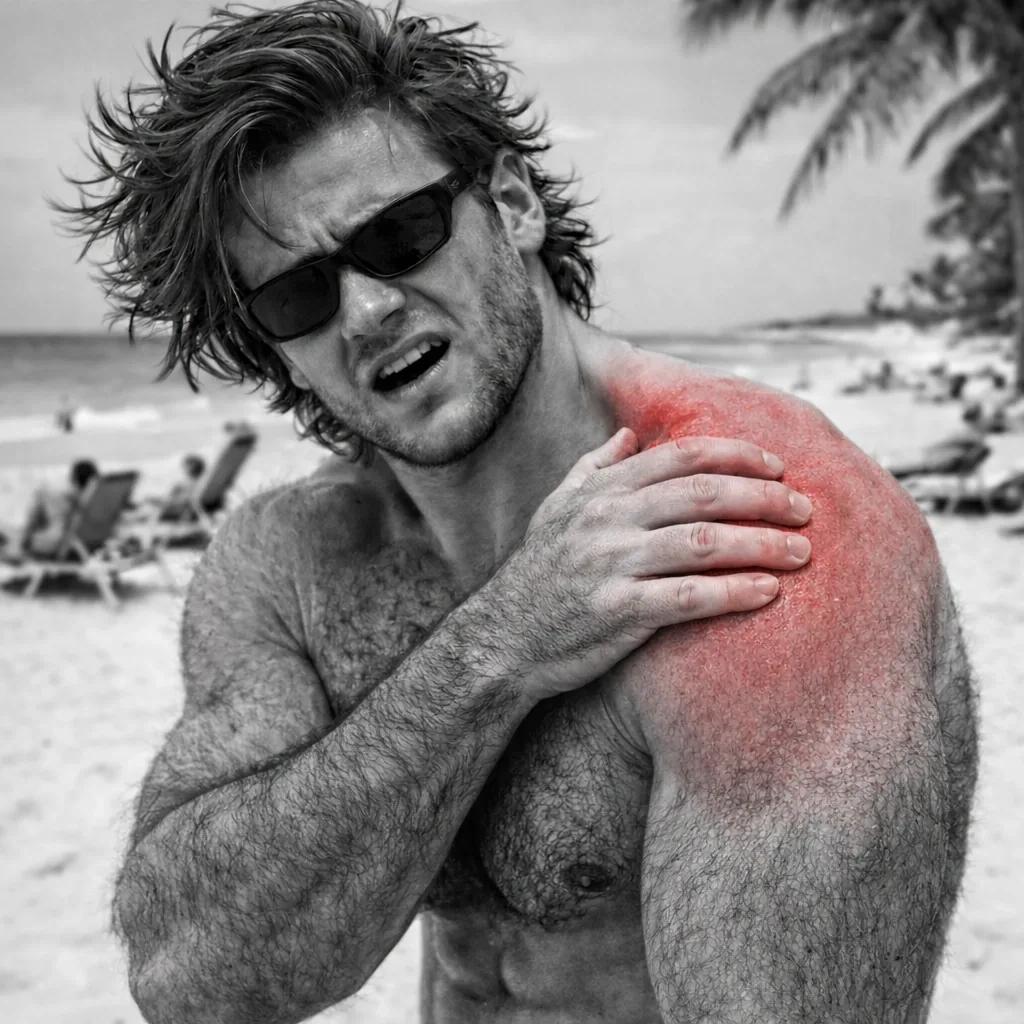
Summer Hair Removal in Toronto
Heat, Sun, Sweat, and Exposure
Summer brings higher UV exposure, humidity, and more skin on display. This creates both opportunity and risk.
Laser Hair Removal in Summer
Laser and IPL target pigment. Sun exposure increases pigment in the skin, which raises the risk of:
- Burns
- Hyperpigmentation
- Delayed healing
Best summer laser practices:
- Avoid sun and tanning for at least 2 weeks before and after treatment
- Use broad spectrum SPF daily on exposed areas
- Treat areas usually covered by clothing when possible
- Lower energy settings may be necessary
Laser is still possible in summer, but strict sun discipline matters.
Electrolysis in Summer
Electrolysis is less affected by skin tone changes because it does not rely on pigment.
Summer electrolysis tips:
- Expect more redness due to heat and circulation
- Avoid workouts, hot showers, and saunas for 24 hours
- Keep treated skin clean and dry
- Use light, non occlusive aftercare
Electrolysis remains safe year round with proper aftercare.
Waxing in Summer
Waxing is popular in summer but comes with friction and sweat risks.
Watch for:
- Ingrown hairs from tight clothing
- Folliculitis due to sweat and bacteria
- Increased sensitivity if sunburned
Never wax sunburned skin.
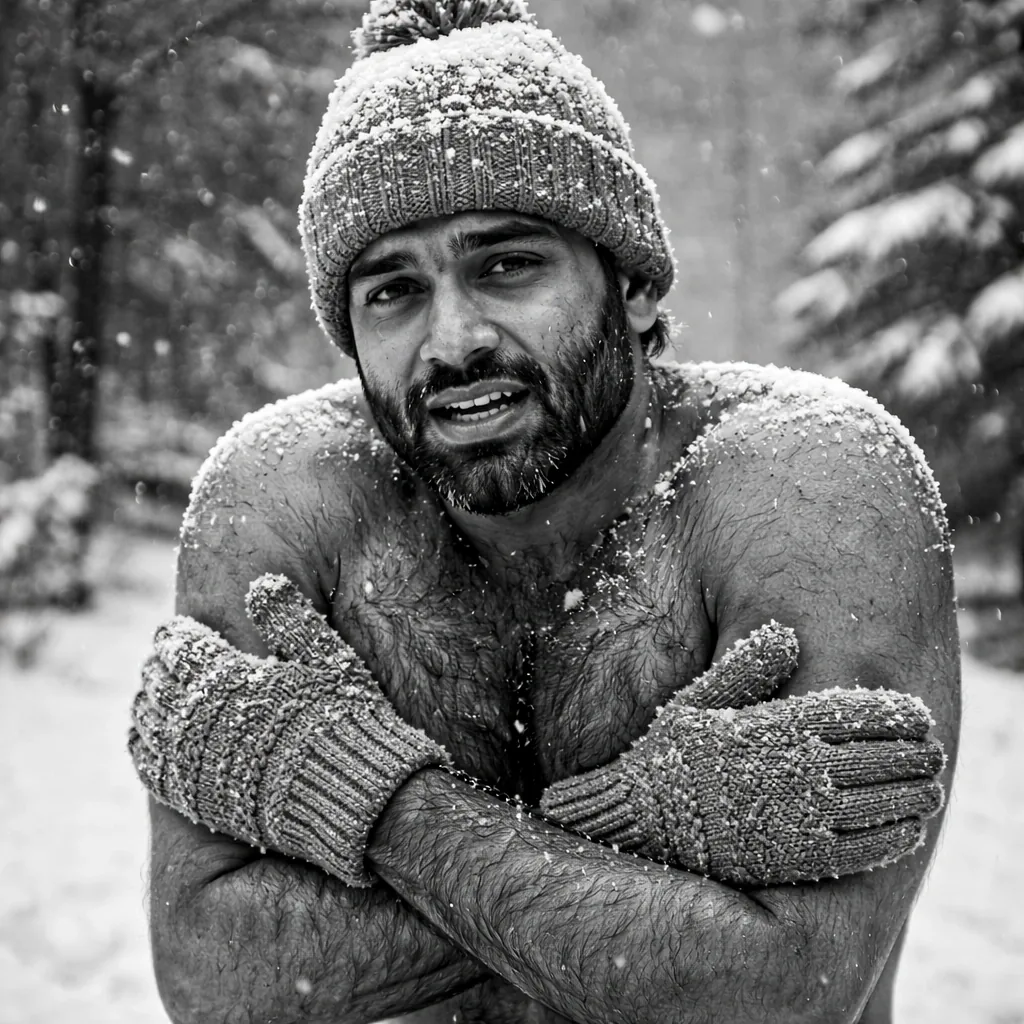
Winter Hair Removal in Toronto
Cold, Dry Air and Covered Skin
Winter is the most forgiving season for professional hair removal.
Laser Hair Removal in Winter
With less sun exposure, winter is ideal for laser and IPL.
Winter laser advantages:
- Lower pigmentation risk
- Easier sun avoidance
- Faster recovery
- Ability to treat higher settings safely
Clients who start in winter often see better long term outcomes.
Electrolysis in Winter
Cold air dries the skin, which can slow healing if not managed.
Winter electrolysis tips:
- Increase hydration inside and out
- Use gentle moisturizers between sessions
- Avoid overly hot showers after treatment
- Protect skin from wind exposure
Well hydrated skin responds better to treatment.
Waxing in Winter
Dry skin makes waxing more uncomfortable.
Winter waxing tips:
- Exfoliate gently before appointments
- Moisturize consistently
- Avoid retinoids or acids before waxing
Dry skin increases the risk of lifting and irritation.
Seasonal Strategy for Best Results
A smart Toronto hair removal plan follows the calendar.
Ideal approach:
- Start laser in fall or winter
- Continue laser through spring
- Pause or reduce laser in peak summer if sun exposure is unavoidable
- Use electrolysis year round for resistant or permanent results
- Adjust waxing frequency based on skin condition, not just hair growth
Seasonal planning saves time, skin, and money.
Common Seasonal Mistakes
- Tanning before laser
- Skipping sunscreen after treatment
- Over exfoliating in winter
- Treating dehydrated skin aggressively
- Ignoring aftercare because hair looks “fine”
Most complications are preventable.
Final Thoughts
Toronto’s seasons demand flexibility. Hair removal is not one size fits all or one season fits all.
Summer requires protection and restraint.
Winter rewards consistency and progress.
When treatments align with the climate, results improve and skin stays healthy year round.
If you want the why behind this. dormant hair cycles and why hair seems to come back, hair removal for athletes, aftercare that actually helps healing, how hair biology determines your results and when hair removal stops working.