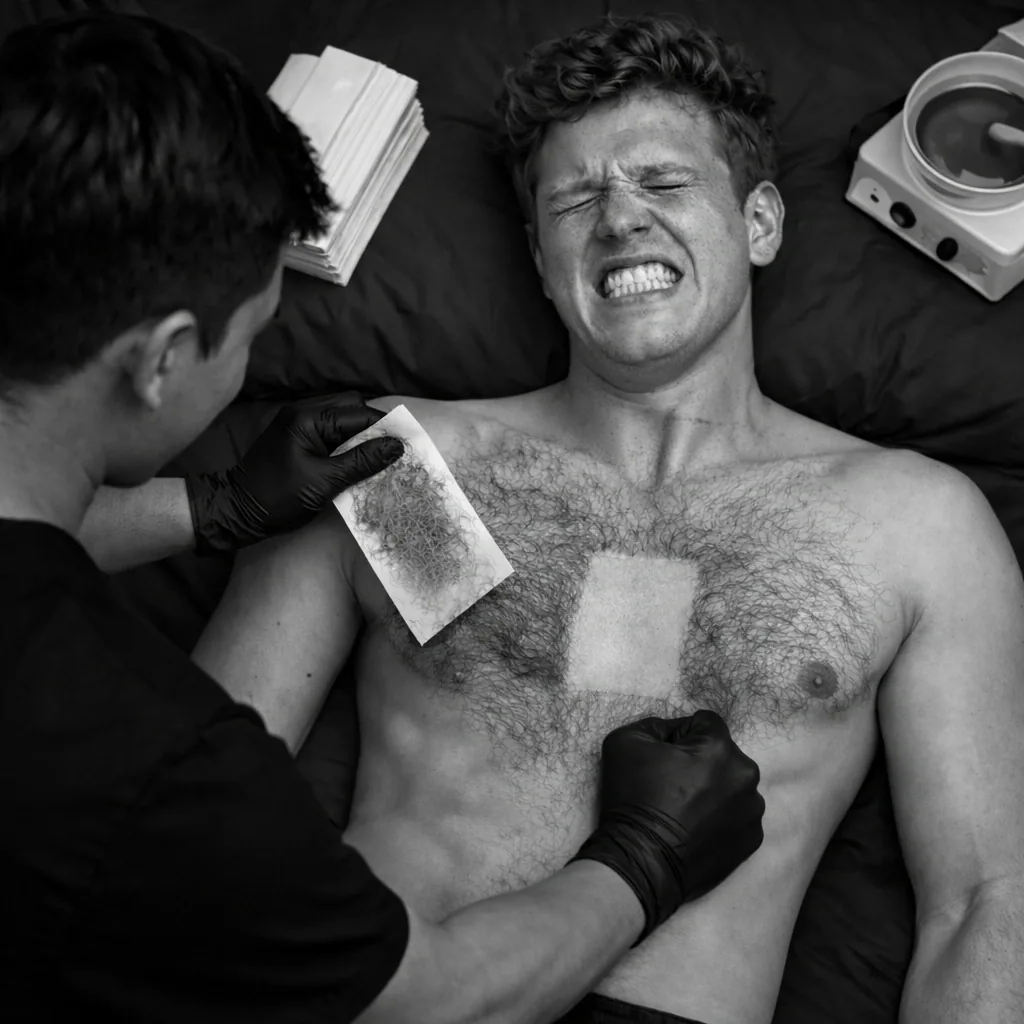
First, a Reality Check About Pain
Pain is not random, but it is individual. What people feel during hair removal is shaped by:
- Method and technique
- Hair thickness and density
- Area treated and nerve concentration
- Skin condition and inflammation
- Hormones, stress, sleep, hydration
Two common myths complicate expectations:
- That women “handle pain better” than men
- That darker skin automatically means more pain
Neither is universally true.
Gender and Pain: Myth vs Reality
There is a persistent belief that women tolerate hair removal pain better than men. In practice, gender alone is not a reliable predictor of pain tolerance.
What actually matters more:
- Hair density and thickness which are often higher in men
- Hormonal sensitivity, which can fluctuate in women
- Treatment area, not sex
- Psychological expectation and anxiety
Men often report higher pain during waxing or laser because:
- Hair is thicker and deeper
- Energy absorption is stronger
- Fewer prior exposures to cosmetic pain
Women do not inherently “handle pain better”. They are often more familiar with the sensation, which changes perception, not biology.
Pain tolerance is learned and contextual, not gendered.
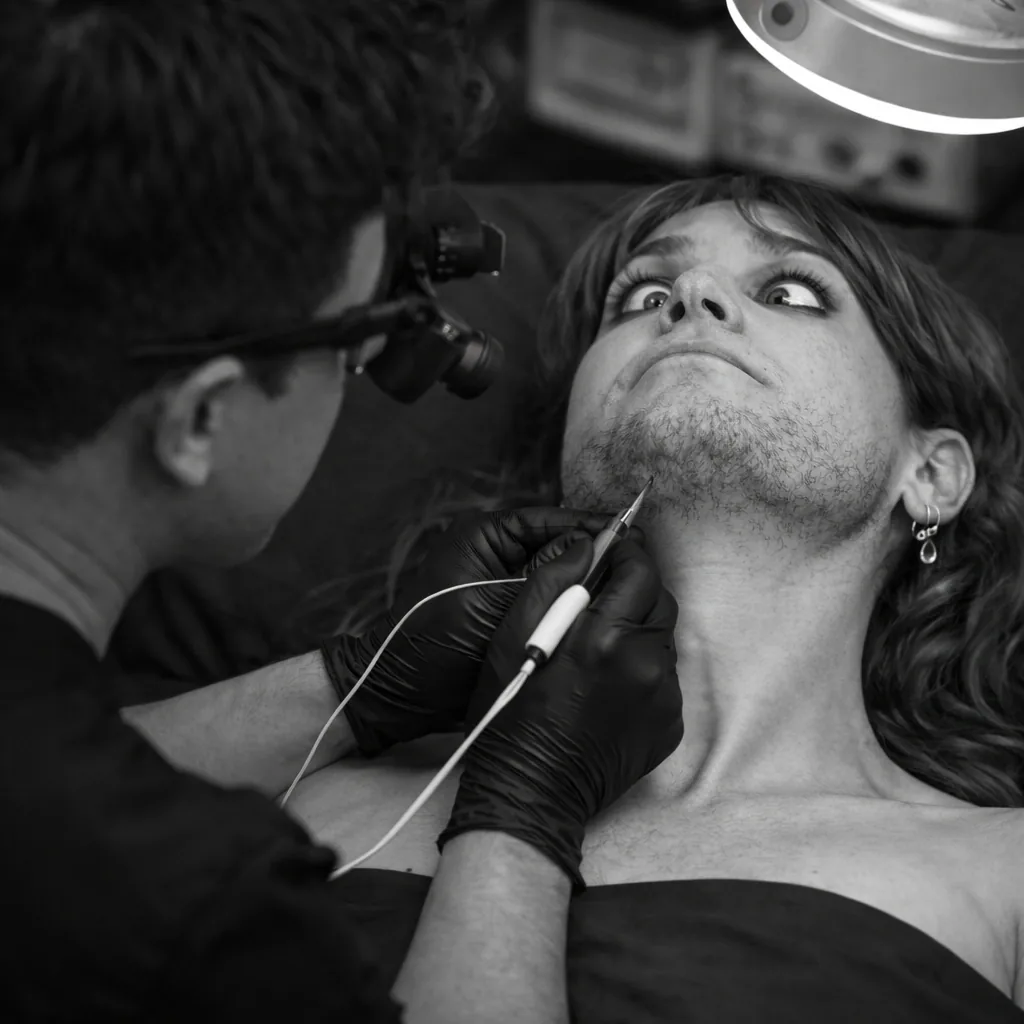
Pain by Hair Removal Method
Shaving
Pain during: 0–2
Pattern: Minimal
After pain: Razor burn or stinging hours later
Shaving discomfort appears later, not during. Gender and skin tone do not meaningfully change shaving pain. Technique does.
Waxing
Pain during: 6–8
Pattern: Sharp and brief
After pain: Tenderness for 24–48 hours
Waxing pain depends heavily on:
- Hair thickness
- Area treated
- Skin tension and speed
Men often feel more pain due to thicker hair. Skin tone does not change pain, but post-wax pigmentation risk does, especially for darker skin.
Laser Hair Removal and IPL
Pain during: 3–6
Pattern: Short snapping or heat
After pain: Warmth or redness for hours
This is where skin tone matters, but not in the way most people think.
- Pain comes from heat absorption
- Darker skin contains more epidermal melanin
- More melanin means more surface heat
For darker skin types, laser must be more controlled, not stronger. When done correctly:
- Pain is not inherently higher
- Risk is higher if technique is poor
Men may feel more pain due to hair density. Skin tone affects heat management, not pain tolerance.
Electrolysis
Pain during: 2–7
Pattern: Repetitive and cumulative
After pain: Localized tenderness
Electrolysis pain depends on:
- Area
- Technique
- Insertion accuracy
- Treatment speed
Skin tone does not change electrolysis pain.
Gender does not change electrolysis pain.
Hair type and nerve density do.
Pain by Area (Typical Ranges)
- Legs: 1–3
- Arms: 1–3
- Underarms: 4–6
- Bikini: 5–7
- Brozilian: 6–8
- Face: 4–7
- Upper lip: 7–9
Smaller areas often hurt more due to nerve concentration, not gender or skin color.
Pain After Treatment
Normal sensations include:
- Heat
- Tightness
- Mild swelling
- Throbbing
These should fade. Increasing pain, spreading redness, blistering, or drainage is not normal and requires reassessment.
What Actually Reduces Pain
Ice and Cold
- Reduces inflammation
- Calms nerve endings
- Effective for all skin tones and genders
Topical Numbing Creams
- Helpful for electrolysis and sensitive facial areas
- Does not change outcomes when used properly
- Overuse can slow healing
Sleep
- Poor sleep lowers pain tolerance
- Well-rested clients tolerate treatments better
- This effect is equal across genders
Hydration
- Dehydrated skin is more reactive
- Hydrated skin distributes energy more evenly
What Makes Pain Worse
Caffeine
- Increases nerve sensitivity
- Raises anxiety
- Often amplifies pain perception
Alcohol
- Increases bruising and bleeding
- Dehydrates skin
- Delays healing
Poor Sleep and Stress
- Lower pain threshold
- Longer recovery
- Stronger inflammatory response
The Most Important Takeaway
Pain is not a measure of effectiveness.
More pain does not mean better results.
Gender does not determine tolerance.
Skin tone changes laser strategy, not pain biology.
Good hair removal balances:
- Enough energy to work
- Enough control to protect skin
Final Thoughts
Hair removal pain is predictable, manageable, and temporary when planned correctly.
Shaving stings later.
Waxing hurts fast.
Laser snaps briefly.
Electrolysis builds gradually.
Gender myths distract from biology.
Skin tone matters only for laser safety, not pain strength.
Preparation, technique, and recovery matter more than toughness.
The rest of the comfort picture. handling erections during a treatment, what sugaring is and how it works, the pain map, every area ranked, an honest guide to numbing cream and the kind of people who come to see me.