Why Aftercare Matters More Than the Treatment
Electrolysis and laser hair removal do not end when the appointment does. Both treatments create controlled inflammation in the skin. How the skin is treated afterward directly affects healing time, comfort, and long-term results.
Most post-treatment issues are not caused by the procedure itself. They are caused by what happens next.
What Your Skin Is Doing After Treatment
After electrolysis or laser, the skin is:
- Warm
- Inflamed
- Temporarily more permeable
- More reactive to heat, friction, and UV exposure
This response is normal. Proper aftercare focuses on calming inflammation and protecting the skin barrier.
What Helps Healing
Keep the Skin Cool and Calm
Cooling reduces inflammation and discomfort.
- Use cool compresses as advised
- Avoid unnecessary heat
- Keep treated areas clean and dry
Cool skin heals faster.
Follow Recommended Skincare Only
Use:
- Gentle cleansers
- Simple, fragrance-free moisturizers
- Products specifically recommended for post-treatment care
Avoid introducing new or active skincare products immediately after treatment.
Let the Skin Breathe
Loose, breathable clothing helps prevent heat buildup and irritation.
- Avoid tight fabrics over treated areas
- Reduce friction wherever possible
Trapped heat delays healing.
What Hurts Healing and Why
Sun Exposure
Sun exposure is one of the biggest risks after both electrolysis and laser.
UV exposure can:
- Prolong redness and swelling
- Trigger post-inflammatory hyperpigmentation
- Interfere with normal healing
- Cause permanent pigment changes
Direct sun exposure should be avoided immediately after treatment.
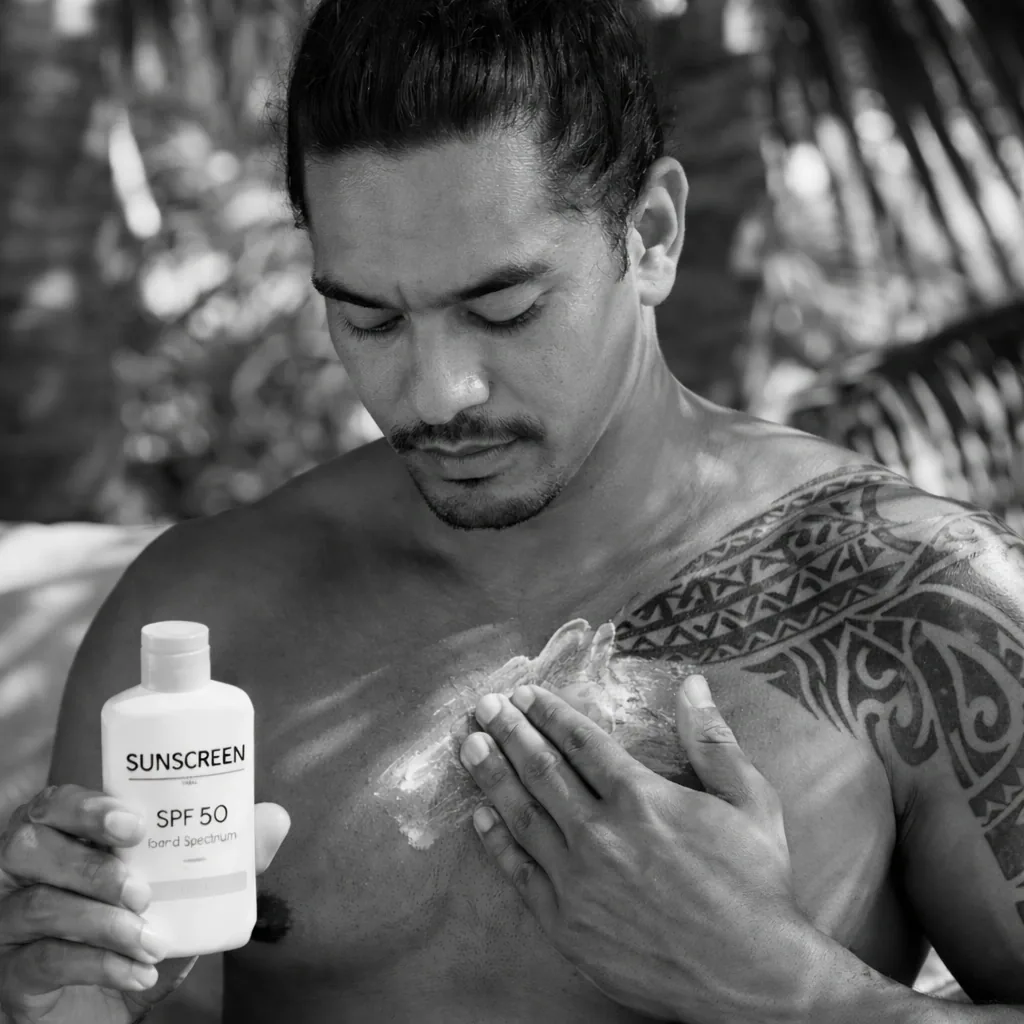
Sunscreen Application
Once the skin has cooled and initial redness has settled, daily sunscreen use is essential, especially on exposed areas such as the face, neck, and chest.
Best practices include:
- Broad-spectrum SPF 30 or higher
- Preferably mineral sunscreen for sensitive or recently treated skin
- Generous application and reapplication with sun exposure
Sunscreen is not optional. It is one of the most effective ways to prevent pigmentation issues and uneven healing after hair removal treatments.
Tanning Beds
Tanning beds should never be used after electrolysis or laser.
Artificial UV exposure:
- Intensifies inflammation
- Increases burn risk
- Dramatically raises the chance of pigmentation complications
Treated skin should never be exposed to tanning beds.
Hot Showers, Baths, and Steam Rooms
Heat increases blood flow and inflammation.
Avoid:
- Hot showers
- Hot baths
- Steam rooms
- Saunas
For at least 24 to 48 hours after treatment, or longer if redness persists.
Warm water is acceptable. Hot is not.
Hot Tubs and Pools
Hot tubs combine heat, friction, and bacteria.
They can:
- Irritate open follicles
- Increase infection risk
- Delay healing
Hot tubs should be avoided until the skin has fully settled.
Exercise and Heavy Sweating
Sweating introduces bacteria and increases friction.
High-intensity exercise can:
- Prolong redness
- Trigger folliculitis or breakouts
- Increase irritation
Light activity is fine. Intense workouts should wait at least 24 hours, or longer if the skin remains reactive.
Friction of Any Kind
Friction disrupts healing follicles.
This includes:
- Tight clothing
- Repeated rubbing
- Aggressive exfoliation
- Prolonged pressure
And yes, friction from hot, passionate sex can irritate freshly treated skin, especially in intimate areas.
If it creates heat or rubbing, give it time.

Electrolysis-Specific Aftercare Considerations
Electrolysis treats individual follicles.
Avoid:
- Picking or scratching
- Over-cleansing
- Applying active ingredients too soon
Small, localized reactions are normal. Interfering with them delays healing.
Laser-Specific Aftercare Considerations
Laser affects broader areas of skin.
Extra caution is required with:
- Sun exposure
- Heat
- Retreatment too soon
Laser-treated skin often needs more time to normalize before being stressed again.
Signs You Are Doing Too Much
Scale back activities if you notice:
- Prolonged redness beyond expected timelines
- Increasing tenderness
- Darkening or lightening of skin
- Worsening bumps instead of improvement
When in doubt, simplify.
Final Takeaway
Healing after electrolysis and laser depends on one core principle: reduce heat, friction, and UV exposure.
Sun exposure, tanning beds, hot water, steam rooms, intense exercise, friction, and even enthusiastic intimacy can slow recovery if introduced too soon. Consistent sunscreen use once the skin has calmed is critical for protecting results.
Respect the healing process and your skin will reward you with smoother, safer outcomes.
The rest of the comfort picture. the pain map, every area ranked, how often you should actually exfoliate, handling erections during a treatment, sex after hair removal and hidradenitis suppurativa and hair removal.