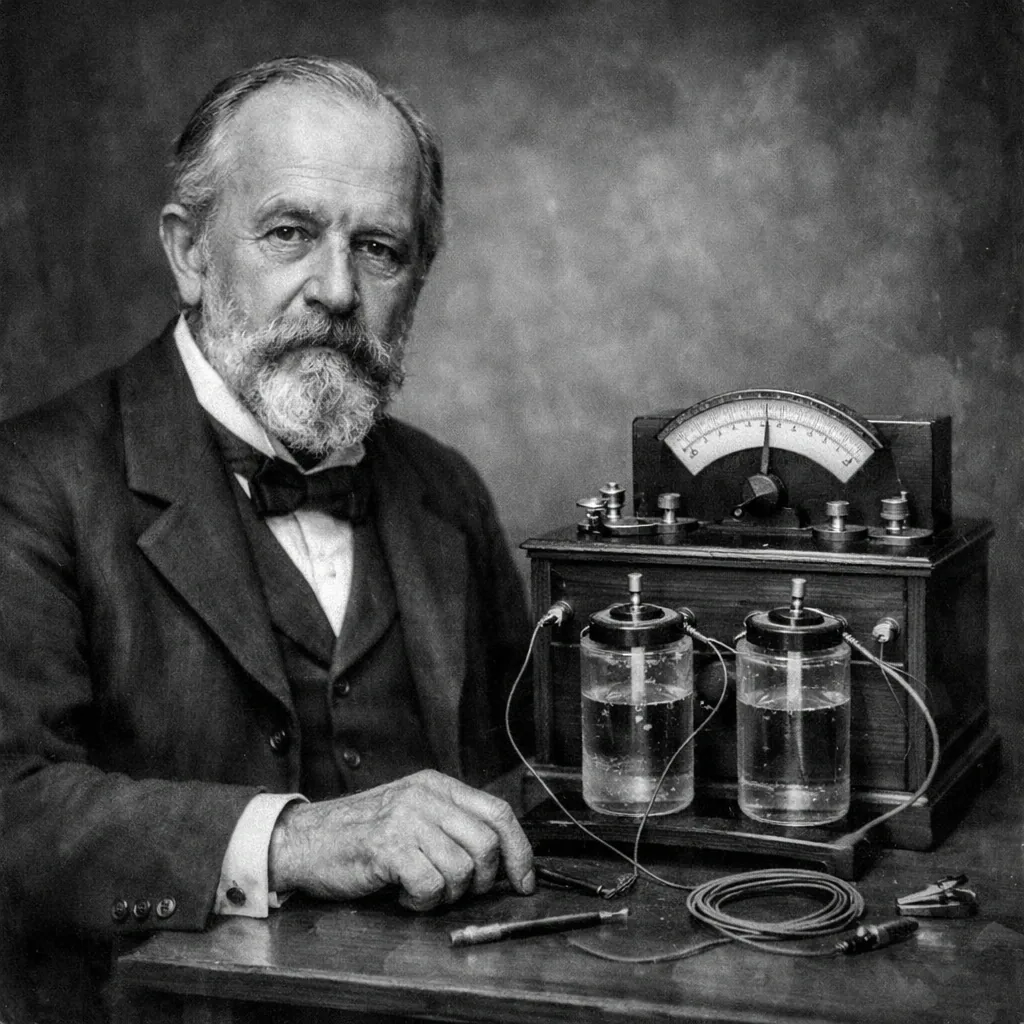
1875 to 1890: The Birth of the Method
Electrolysis begins with Charles Michel in 1875.
Michel did not invent a machine in the modern sense. He adapted what existed at the time.
- Power source: crude galvanic batteries used in medicine
- Control: none. Current strength was estimated by feel and visual reaction
- Probe: fine metal wire, often handmade
- Use case: trichiasis. Ingrown eyelashes threatening vision
These early setups were dangerous by today’s standards, but revolutionary for their time. For the first time, a hair follicle could be deliberately destroyed at its root.
1890s to 1910s: Medical Standardization
As electrolysis spread beyond ophthalmology, physicians and medical equipment manufacturers began refining the tools.
Key developments:
- Dedicated galvanic battery units designed specifically for hair follicles
- Introduction of current meters to visualize electrical flow
- Early foot pedals to allow hands free activation
Electrolysis machines were still large, heavy, and clinic bound. Treatments were slow but repeatable. For medicine, repeatability mattered more than speed.
1920s to 1930s: Purpose Built Electrolysis Machines
This era marks the first true electrolysis machines.
Manufacturers began producing:
- Adjustable galvanic current controls
- Replaceable sterile probes
- Improved insulation to reduce surface skin damage
Electrolysis moved from physician offices into specialized treatment rooms. This is when the profession of the electrologist began to separate from general nursing and dermatology.
1940s to 1950s: Thermolysis Changes Everything
Radio frequency technology emerged during and after World War II. Engineers realized that high frequency alternating current could generate heat inside the follicle.
This led to thermolysis.
Progress highlights:
- Smaller tabletop machines
- Faster treatment times per follicle
- Less chemical reaction, more heat based destruction
Thermolysis dramatically increased speed, but precision became critical. Poor technique caused surface burns. Skill now mattered as much as the machine.
1960s to 1970s: The Blend Method Era
Practitioners sought reliability without sacrificing speed.
The solution was the blend method, combining galvanic current with thermolysis in the same follicle.
Machine advancements included:
- Dual current delivery systems
- Timers for controlled exposure
- Improved probe metallurgy
This period cemented electrolysis as both an art and a science. Machines could do more, but only trained hands could use them correctly.
1980s to 1990s: Microprocessors Enter the Room
Electrolysis machines became digitally controlled.
Major upgrades:
- Microprocessor regulated timing
- Digital intensity controls
- Consistent energy delivery across sessions
Ironically, this same era saw the rise of laser hair removal. Electrolysis technology improved quietly while lasers dominated marketing.
2000s to Today: Precision Without Reinvention
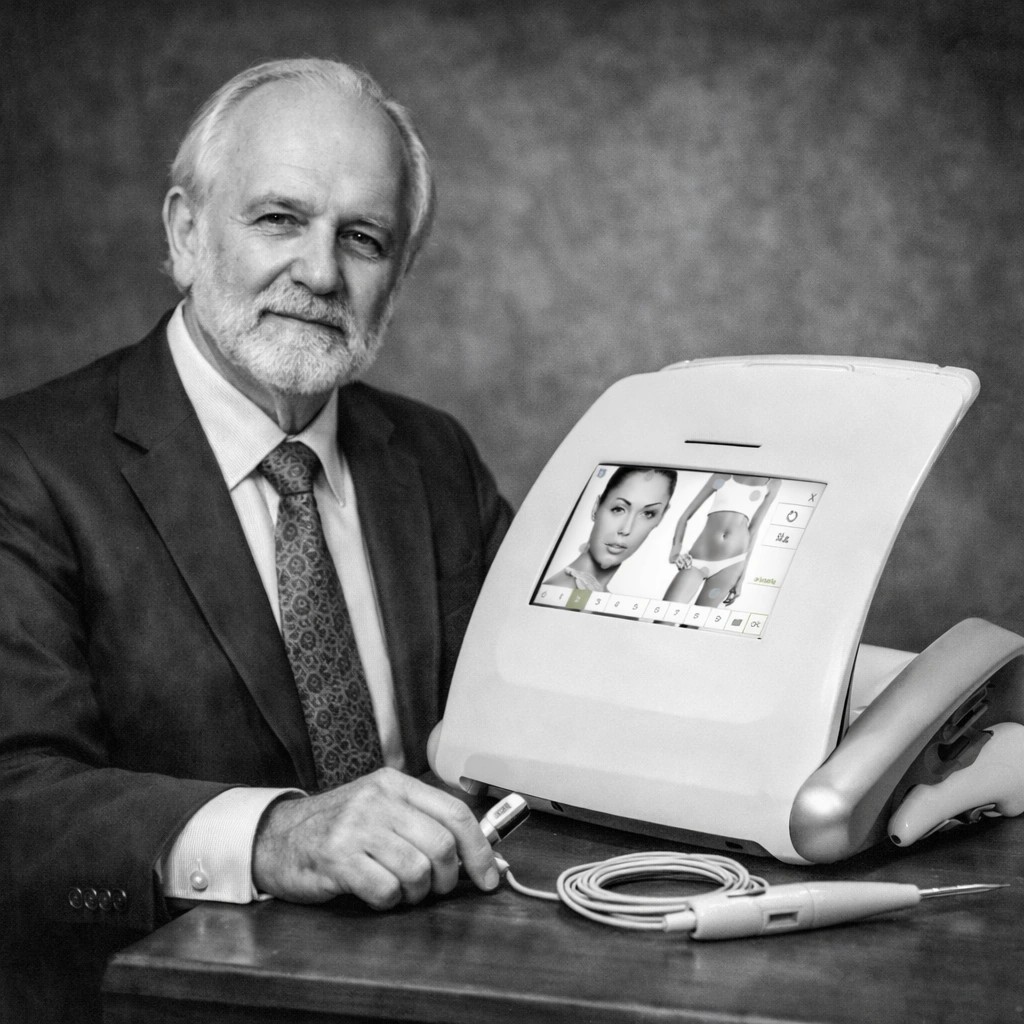
Modern electrolysis machines are highly refined versions of the same principle invented in 1875.
Current capabilities:
- Ultra precise timing down to milliseconds
- Insulated probes for deep follicle targeting
- Minimal skin trauma when performed correctly
- Compatibility with all hair and skin types
The science did not change. The delivery did.
Electrolysis did not need reinvention because it already solved the problem permanently.
The Irony of Progress
Machines improved. Marketing shifted elsewhere.
Laser promised speed. Electrolysis promised certainty.
As laser limitations became obvious, clients returned to electrolysis. At the same time, fewer practitioners were trained to use these increasingly sophisticated machines.
Technology advanced. Workforce declined.
Why the Timeline Matters
Electrolysis machines evolved steadily for nearly 150 years without ever being replaced by a better permanent solution.
No other hair removal method can claim that.
Every modern electrolysis device is a direct descendant of Michel’s original medical battery. Different casing. Same outcome.
Final Thoughts
Electrolysis machines tell a rare story in aesthetics and medicine. Progress without obsolescence.
The danger today is not outdated technology. It is disappearing expertise.
As demand for permanent hair removal rises and the number of trained electrologists falls, the value of this century tested technology will only increase.
Electrolysis did not fade. It waited.
The rest of the electrolysis picture. what actually happens during electrolysis, what electrolysis is, anaphoresis and cataphoresis explained, electrolysis during pregnancy and the Federation of Canadian Electrolysis Associations.