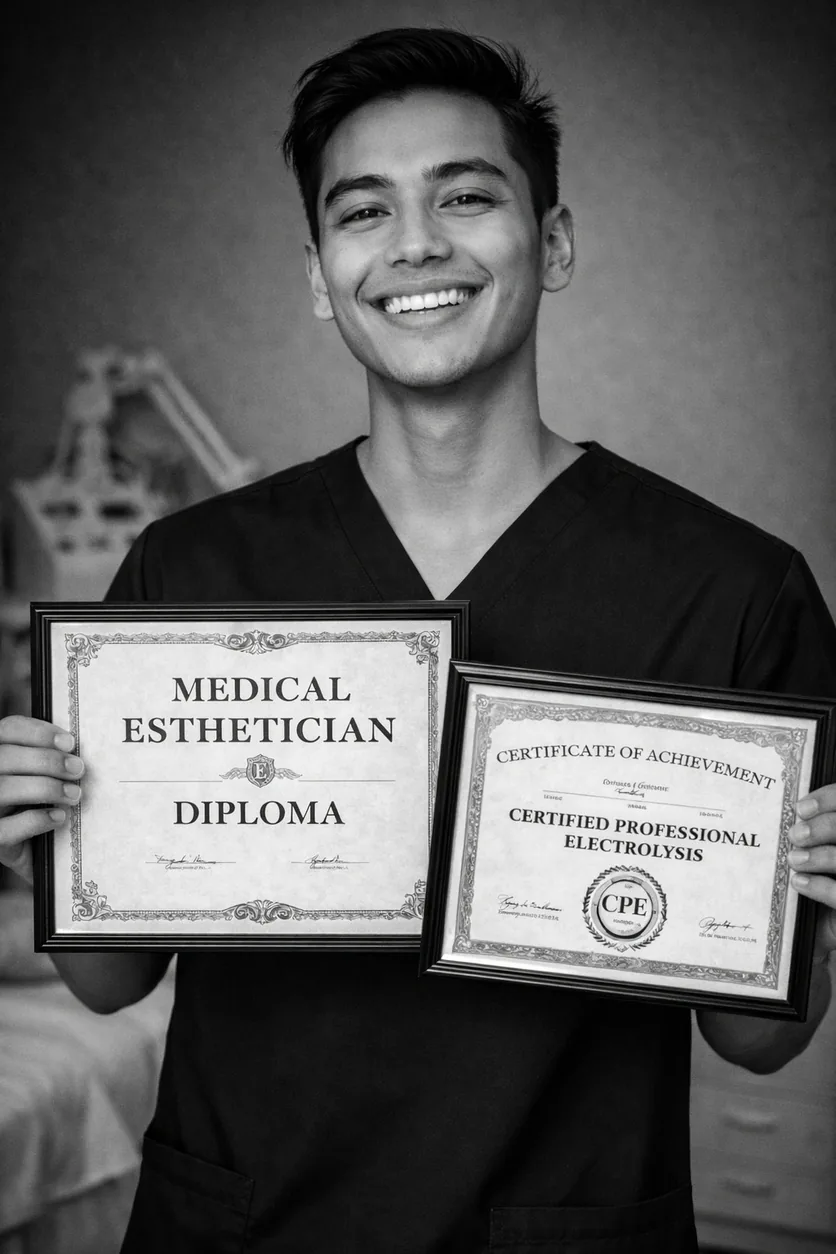
Laser Hair Removal and Electrolysis in Toronto What Actually Matters
Hair removal is not a cosmetic afterthought. Both laser hair removal and electrolysis involve delivering energy into living tissue. Results, safety, and long-term outcomes depend far more on practitioner education and judgment than on the machine itself.
In Toronto and across Ontario, many clients assume there is a government-issued “laser license” that guarantees competency. In reality, regulation works differently. Understanding what is actually regulated, what training is expected, and what credentials matter helps clients make informed and safer decisions.
How Hair Removal Is Regulated in Ontario
No Single License Does Not Mean No Oversight
Ontario does not issue a single provincial license labeled “laser technician” or “electrologist.” This does not mean there are no standards.
Regulation exists through:
- Health Canada classification of laser devices as medical equipment
- Workplace safety laws governing laser use
- Scope of practice and clinic protocols
- Education and industry standards
The responsibility for safety and competency falls heavily on the clinic and practitioner.
Minimum Education That Is Non-Negotiable
At the very least, formal foundational education is mandatory for anyone offering professional hair removal services.
This includes:
- A recognized Esthetics or Medical Esthetics diploma for laser hair removal
- A recognized Electrolysis certificate for permanent hair removal
These credentials provide essential grounding in:
- Skin anatomy and physiology
- Hair growth cycles
- Infection control and hygiene
- Client assessment and aftercare
Without this foundation, practitioners lack the biological understanding required to treat skin safely. Short courses or machine-specific certificates alone are not sufficient substitutes for formal education.
Why Additional Education Makes a Measurable Difference
While minimum credentials establish eligibility to practice, advanced education is what elevates clinical skill and decision-making.
Additional training in areas such as:
- Advanced medical esthetics
- Laser physics and tissue interaction
- Thermocoagulation and advanced electrolysis techniques
allows practitioners to:
- Adjust treatments safely for complex skin and hair types
- Reduce adverse reactions
- Manage hormonally driven or high-risk cases
- Improve healing and long-term outcomes
Broader education leads to better clinical judgment, not just more techniques.
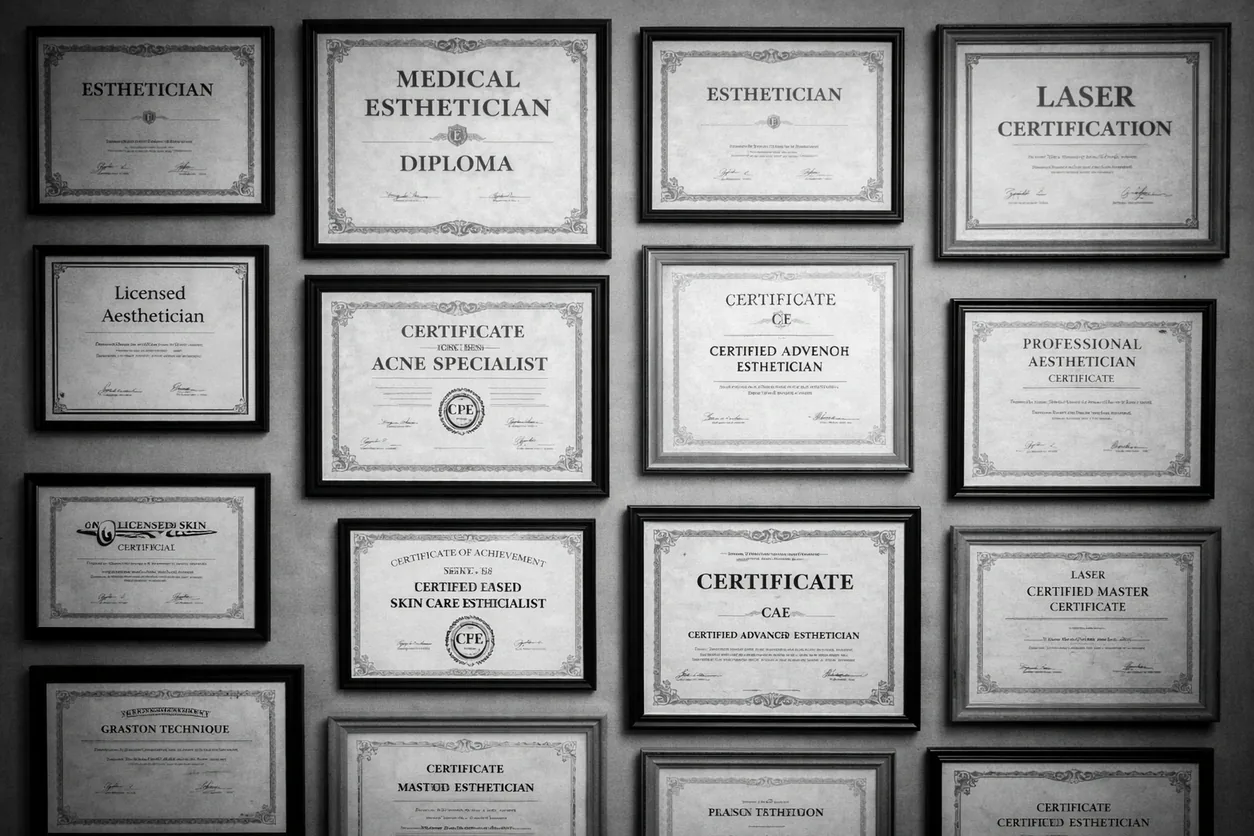
Laser Hair Removal Regulation and Training in Toronto
Laser Devices Are Medical Devices
Laser hair removal systems are classified as medical devices by Health Canada. When misused, they can cause:
- Burns
- Pigment changes
- Scarring
- Stimulation of unwanted hair growth
Because of this, laser hair removal requires structured education, careful parameter selection, and strict safety protocols.
Who Performs Laser Hair Removal
In Toronto, laser hair removal may be performed by:
- Physicians or nurse practitioners
- Registered nurses or registered practical nurses
- Medical estheticians with appropriate education and training
What matters most is not the title, but whether the practitioner has:
- Formal esthetics or medical esthetics education
- Laser-specific clinical training
- Clear safety protocols and documentation
Laser Training That Actually Matters
High-quality laser training includes:
- Fitzpatrick skin typing
- Hair and pigment biology
- Wavelength selection and limitations
- Fluence, pulse duration, and spot size control
- Recognition and management of adverse reactions
Brand-specific or weekend certifications without clinical grounding do not meet best-practice standards.
Electrolysis Regulation and Training in Toronto
Electrolysis and Permanent Hair Removal
Electrolysis is the only method recognized as permanent hair removal. It works by inserting a probe into each follicle and applying electrical current to destroy the hair growth center.
While electrolysis does not involve light or pigment, it is highly technique-dependent.
Electrolysis Training That Matters
At minimum, practitioners must complete:
- A recognized electrolysis certificate
Quality training also includes:
- Follicle anatomy and insertion accuracy
- Proper probe selection
- Current modulation and tissue response
- Sterilization and infection control
- Skin healing assessment
Advanced education in:
- Thermocoagulation
- Blend and galvanic modalities
- Advanced skin response management
significantly improves precision, healing, and consistency of results.
Key Differences in Regulation and Risk
Laser Hair Removal
- Uses medical-grade energy devices
- Higher risk of burns and pigment changes if misused
- Requires strong foundational and advanced education
- Produces long-term reduction, not permanent removal
Electrolysis
- Uses electrical current follicle by follicle
- Lower pigment-related risk
- Permanent hair removal when performed correctly
- Outcomes depend almost entirely on practitioner skill
Both require education. Neither should be performed casually.
What to Ask Before Booking Laser or Electrolysis in Toronto
Before booking, clients should ask:
- What formal diplomas or certificates do you hold?
- What advanced or continuing education have you completed?
- How are treatment decisions made for my skin and hair type?
- What protocols are in place if my skin reacts unexpectedly?
- How is hygiene and infection control handled?
Clear answers demonstrate training and accountability, not marketing.
Final Takeaway
In Toronto, safe and effective hair removal is built on education, not titles.
Esthetics and medical esthetics diplomas, along with formal electrolysis certification, are the minimum foundation. Advanced training in laser physics, thermocoagulation, and medical esthetics expands clinical knowledge, improves judgment, and leads to better long-term outcomes.
Skill is built through education, experience, and continued learning.
The rest of the electrolysis picture. what actually happens during electrolysis, the Federation of Canadian Electrolysis Associations, what I look at before I treat anything, what electrolysis is and the history of electrolysis.