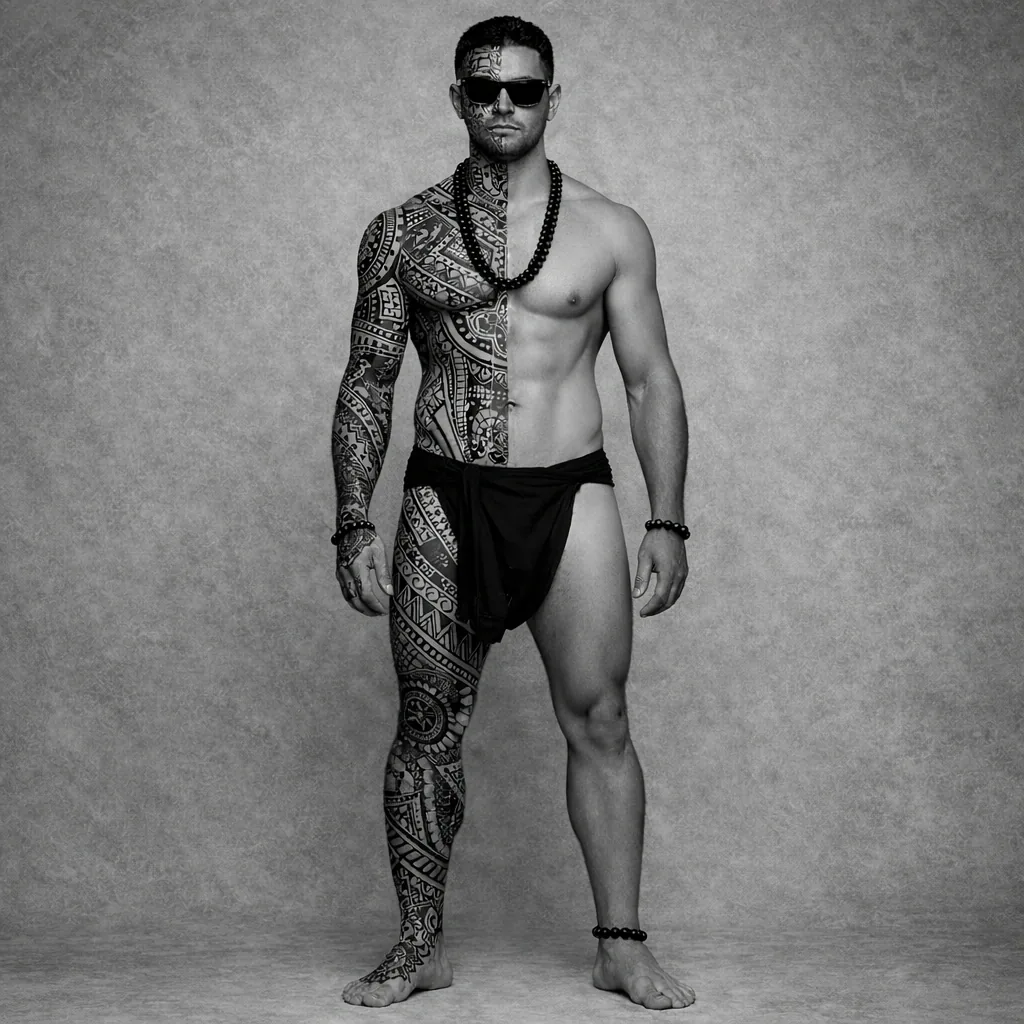
Why Tattoos Require Special Consideration
Tattoos place pigment deep into the skin. That pigment permanently alters how the skin absorbs heat and responds to trauma. Because hair removal methods interact with skin in different ways, tattoos introduce real limitations and safety concerns that cannot be ignored.
The rules are not cosmetic preferences. They are based on physics, biology, and risk.
Waxing and Tattoos
Is Waxing Safe Over Tattoos
Waxing is generally safe over healed tattoos.
Waxing removes hair from the root without delivering heat or energy into the skin. When a tattoo is fully healed, waxing does not affect the ink or its placement.
Important Waxing Considerations
While waxing is allowed, caution still matters.
Potential issues include:
- Increased sensitivity over tattooed skin
- Skin lifting if the skin barrier is compromised
- Fading risk if the tattoo is very new
Waxing should never be performed on:
- Fresh tattoos
- Healing or scabbed tattoos
- Inflamed or irritated tattooed skin
Once healed, waxing is the safest temporary option over tattoos.
Laser Hair Removal and Tattoos
Laser and Tattoos Do Not Mix
Laser hair removal cannot be performed over tattoos.
Laser targets pigment. Tattoo ink absorbs laser energy far more aggressively than hair pigment. This can cause:
- Severe burns
- Blistering
- Skin breakdown
- Distortion or fading of the tattoo
- Permanent scarring
Even low settings are unsafe.
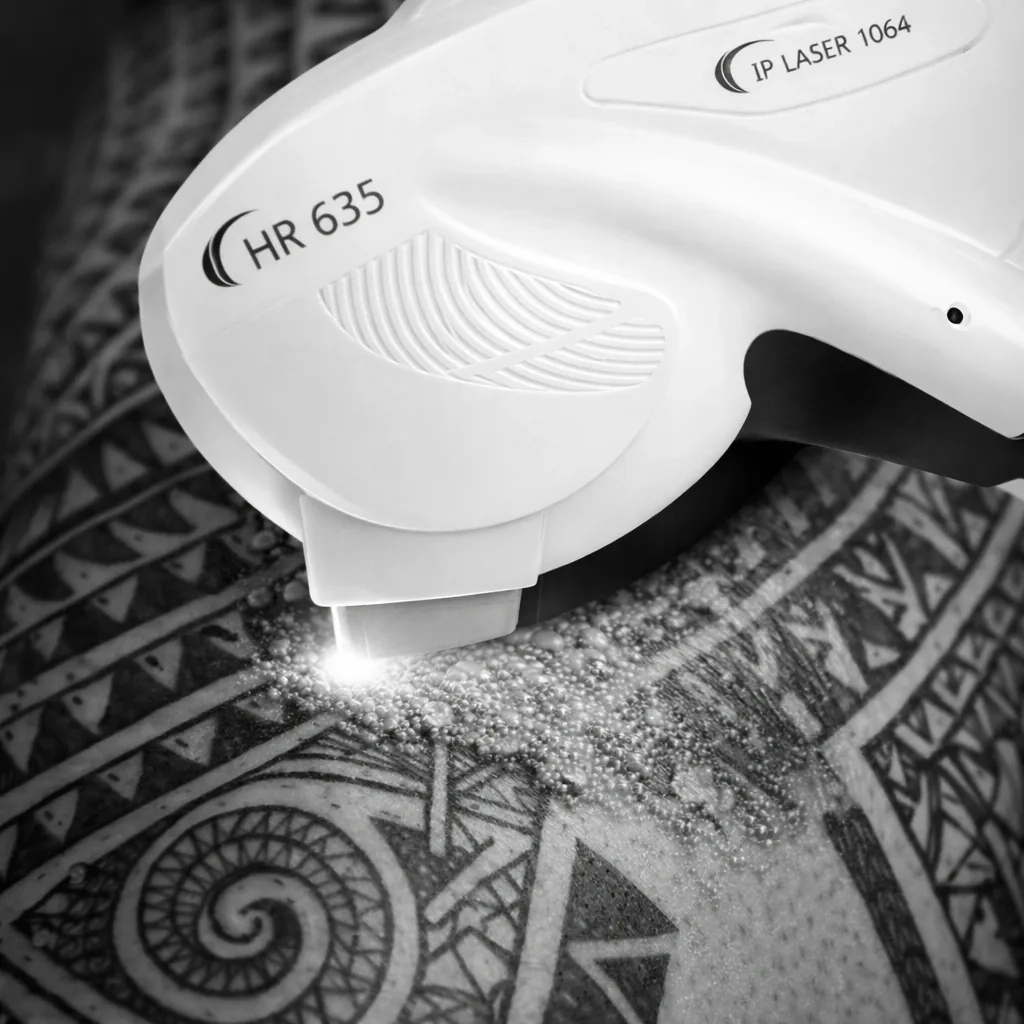
What Clinics Do Instead
Responsible clinics:
- Completely avoid tattooed areas
- Leave a visible margin around the tattoo
- Never pulse directly over ink
Laser can sometimes be used around tattoos, but never on them.
Why This Rule Is Absolute
There is no safe wavelength, setting, or technique that makes laser safe over tattoos. Any clinic willing to laser directly over tattooed skin is taking unacceptable risk.
Electrolysis and Tattoos
Is Electrolysis Safe Over Tattoos
Electrolysis can be performed over tattoos, but only with skill, caution, and proper technique.
Electrolysis treats individual hair follicles by inserting a probe into the follicle. It does not target pigment and does not rely on light.
Important Electrolysis Considerations
While electrolysis does not interact with tattoo pigment the way laser does, tattooed skin still requires care.
Key considerations include:
- Tattoo ink can slightly alter skin texture
- Healing may be slower
- Conservative settings are essential
- Practitioner experience matters significantly
Electrolysis should never distort tattoo lines when performed correctly, but improper technique can cause localized trauma.
Comparing Hair Removal Methods on Tattooed Skin
Waxing
- Safe over healed tattoos
- Temporary
- No impact on tattoo pigment
Laser
- Unsafe over tattoos
- High risk of burns and scarring
- Never performed directly on ink
Electrolysis
- Safe when performed correctly
- Permanent hair removal
- Requires advanced skill on tattooed skin
Timing Matters
Hair removal should never be performed on a new tattoo.
General guidelines:
- Wait until the tattoo is fully healed
- No scabbing, peeling, or tenderness
- Skin texture should feel normal
Hair removal over compromised skin increases risk regardless of method.
Why This Matters Long Term
Ignoring tattoo-related precautions can result in:
- Permanent skin damage
- Tattoo distortion
- Scarring
- Chronic sensitivity
Choosing the right method protects both your skin and your tattoo investment.
Final Takeaway
Tattoos do not prevent hair removal, but they dictate how it must be done.
Waxing is safe once tattoos are healed. Laser should never be used over tattooed skin. Electrolysis offers a permanent option over tattoos when performed by an experienced practitioner using conservative technique.
Understanding these differences prevents injury, protects tattoos, and leads to better outcomes.
Worth reading alongside this. the pain map, every area ranked, those bumps after a laser treatment, how to identify a skilled laser technician, how many laser sessions it really takes and choosing the right laser machine.