Nobody Invented the Rules, They Just Changed
Body hair has been fashionable, then shameful, then fashionable again, roughly every twenty years.
What counts as groomed has never been decided by biology. It gets decided by whatever people are wearing, what the razor companies are selling, and who is allowed to be seen in public.
Here is a century of it, compressed.
1910s to 1930s: The Razor Becomes a Habit
The modern shave is barely a hundred years old.
- 1910s: top hats, long gowns and full moustaches. Gillette launches its first razor marketed to women in 1915
- 1920s: flapper dresses put underarms on display, and the Charleston puts legs on show
- 1930s: Schick sells the first electric dry shaver in 1931
The 1915 razor is the moment worth noticing. Underarm hair was not a problem anyone had until sleeveless dresses arrived and a company turned up with the solution already in stock.
MY TWO CENTS
Every era thinks its grooming standard is obvious and natural. Every era is wrong, and the next one proves it.
1940s to 1960s: Bare Legs, Then Let It Grow
- 1940s: soldiers shave to regulation, nylons vanish into the war effort, and bare legs get shaved instead. The bikini arrives in 1946
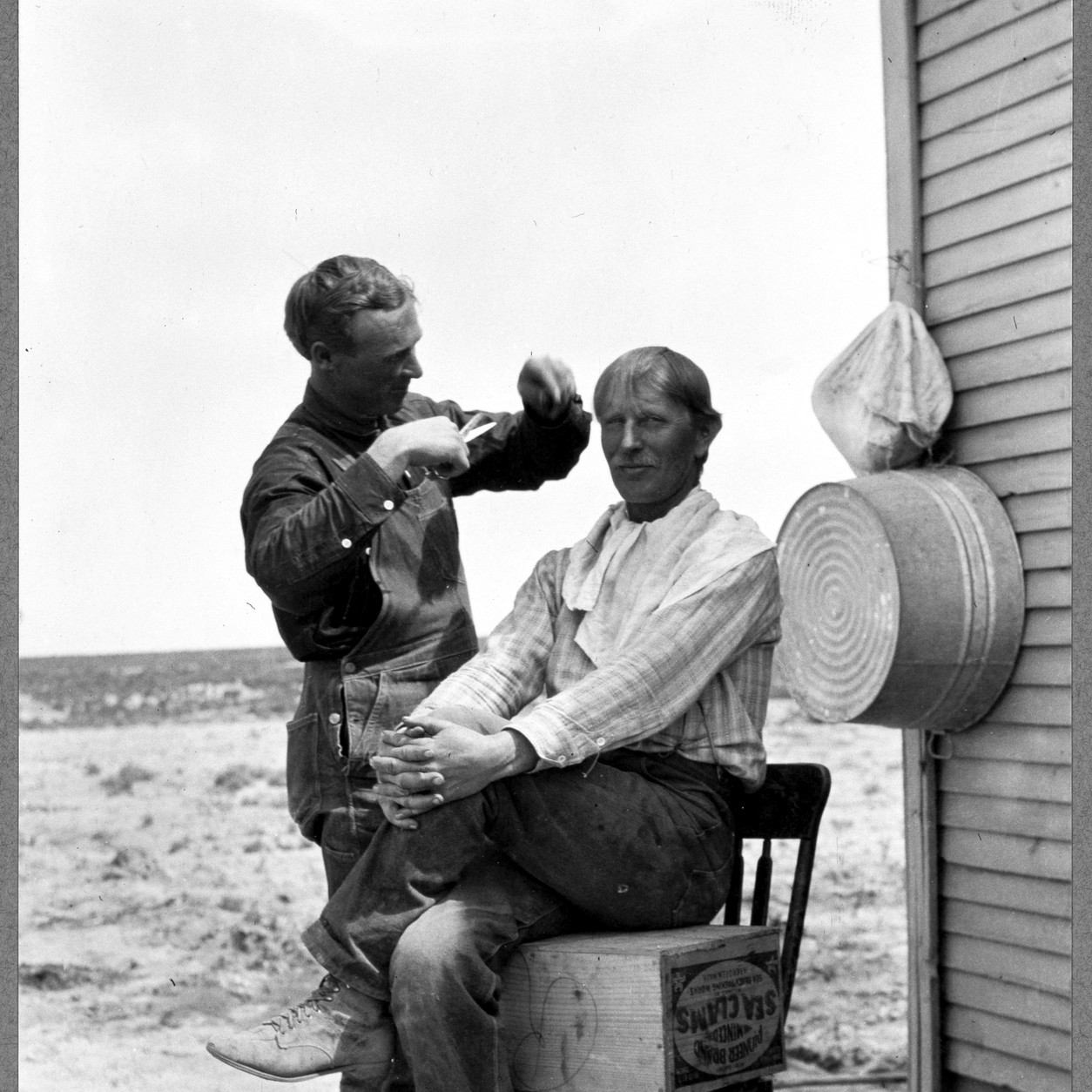
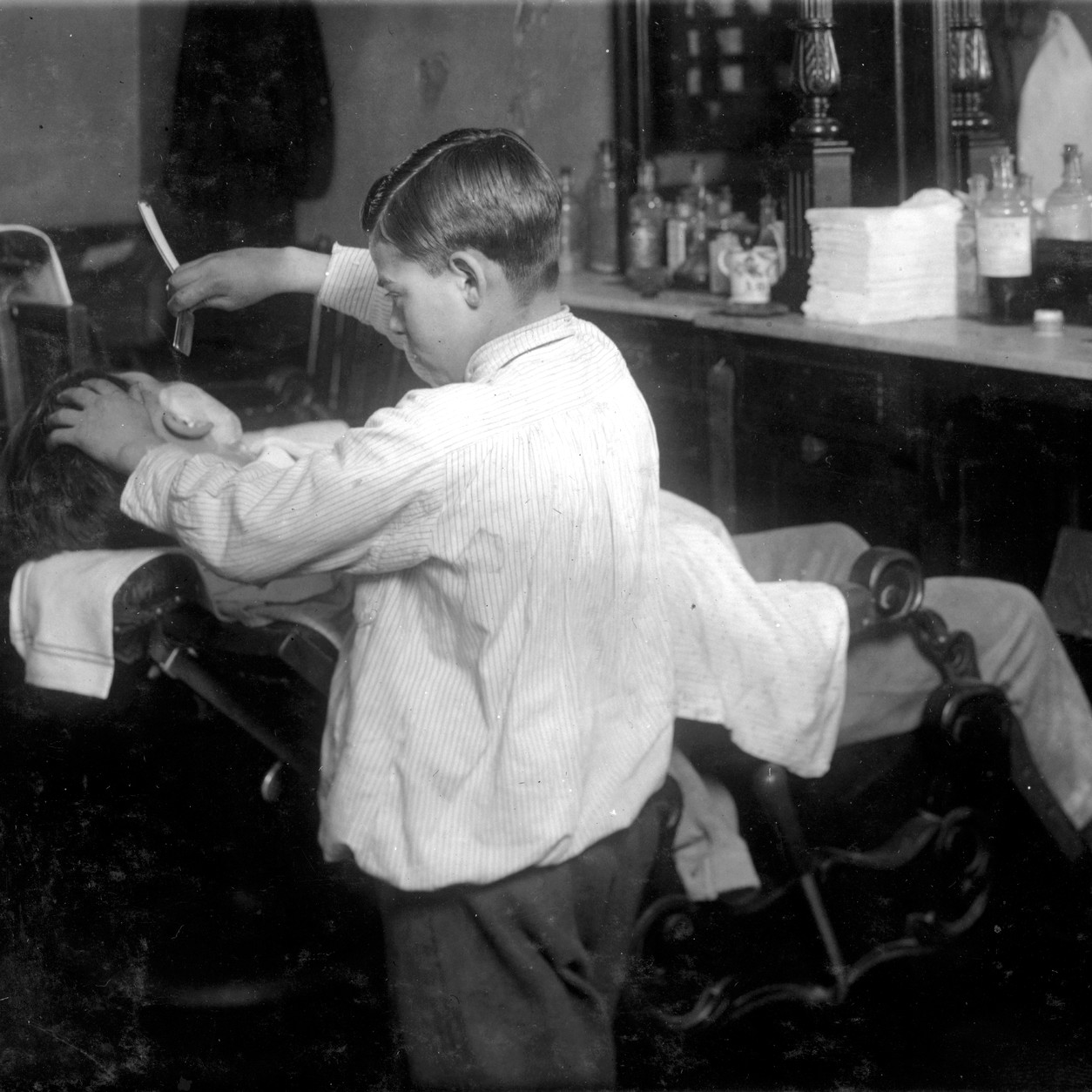
- 1950s: the barbershop era. Flat tops, crew cuts and a hot towel shave
- 1960s: peace, love and long hair. The first working laser is built in 1960
That laser had nothing to do with hair for another thirty five years. It sat in physics labs while the culture went the other way entirely and stopped shaving anything.
1970s to 1990s: Disco, Pride and the First Hair Laser
- 1970s: disco, bell bottoms, short shorts and tube socks
- 1980s: out and proud. Toronto’s Pride takes shape after the 1981 bathhouse raids
- 1990s: raves and grunge. Phat pants, visors and flannel. The first hair removal laser is cleared in the United States in 1995
The 1981 raids matter here beyond the hair. Hundreds of men were arrested across four Toronto bathhouses in February of that year, the city’s gay community took to the street the following night, and what grew out of it is the Pride this city now holds every summer.
Visibility changes grooming, every time. People groom for the version of themselves they are allowed to show.
2000s to Today: Anything Goes
- 2000s: trans visibility grows. Monica Helms’s trans Pride flag first flies in 2000
- today: natural, groomed, sculpted or smooth, and all four are normal
This is the first era in the whole hundred years with no single answer, and that is a genuine improvement rather than a loss of standards.
My clients run the full range. Some want everything gone, some want a tidy edge and nothing more, some want the back done and the chest left alone. None of those is the correct one.
What Has Not Changed
The fashions moved. The chore did not.
Whatever look you have landed on, it still needs managing, and the household methods have barely improved in a century:
- razors: smooth for about a day, then stubble, and ingrown hairs on the neck and anywhere curly
- depilatory creams like Nair and Veet: a chemical burn risk and a smell you cannot un-smell
- waxing: weeks rather than days, done properly, and it has to grow back before the next one
- epilators and tweezing: slow, and plucking a follicle repeatedly does it no favours
Three days later you are doing it again. That is the part no decade solved.
MY TWO CENTS
The real cost of shaving is never the razor. It is the twenty minutes, every few days, for the rest of your life, plus whatever your skin does in protest.
Where Laser and Electrolysis Fit
These are the two methods that reduce the work rather than repeating it.
Laser targets pigment in the follicle and gives long-term reduction across larger areas. It needs a series of sessions, it needs dark hair to see, and it thins rather than erases.
Electrolysis treats one follicle at a time with a probe, works on every hair colour and every skin tone, and is the only method recognised as permanent.
Neither is a fashion. Both are a way of deciding once, then shaping the result to whatever look you want rather than maintaining it by hand forever.
If you want the detail on how the technology actually got here, the machines have their own history, and it starts in 1875 with an ingrown eyelash.
Prefer to Scroll?
There is a shorter version of all this on Instagram, one decade at a time, with the photographs from each era.
Bottom Line
Body hair has been in, out, and back again for a hundred years, and it will swing again.
What you do with yours is your business. The only real question is whether you want to keep doing it every few days by hand.
Natural, groomed, sculpted or smooth, all of it is manageable, and some of it is permanent.