
Understanding Pigment Changes Without the Guesswork
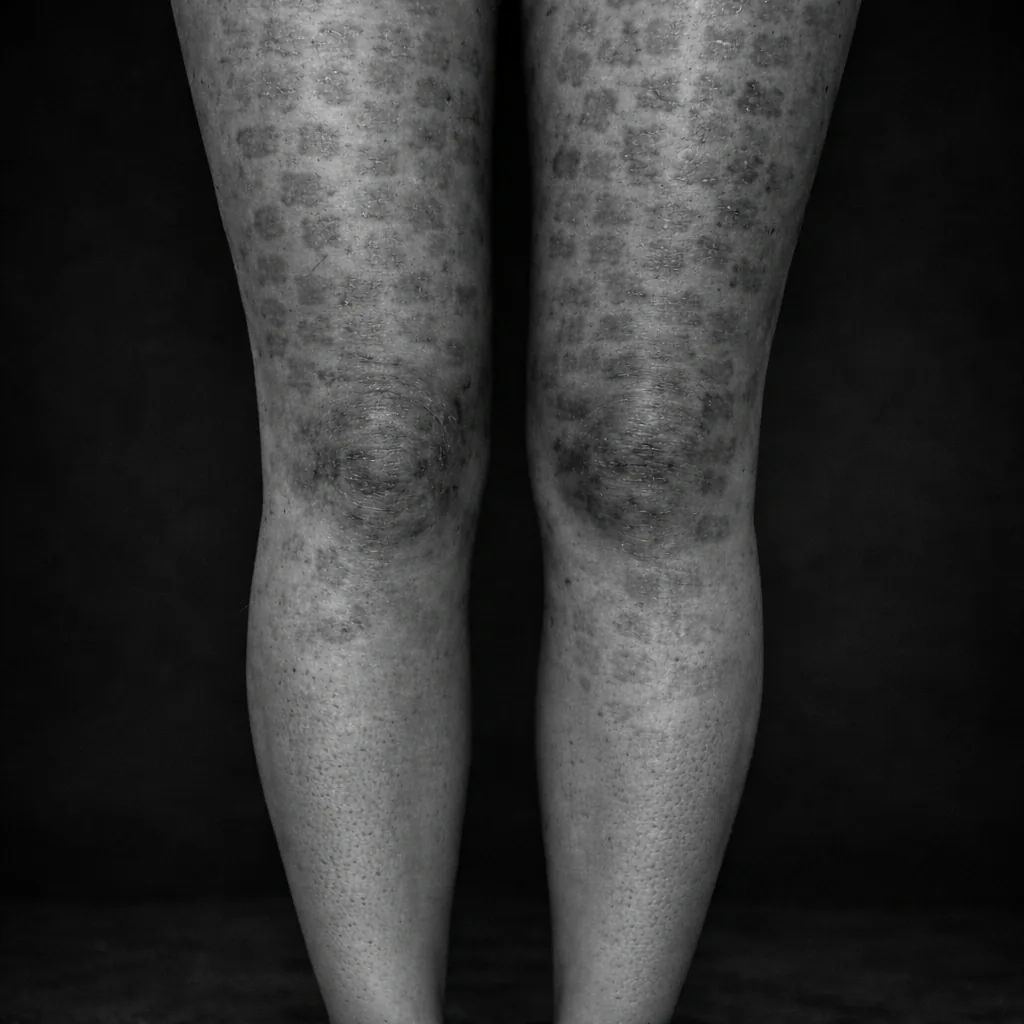
Hyperpigmentation and hypopigmentation are often discussed as opposites, but they behave very differently and require different strategies. Treating them the same wastes time and money, and can make results worse.
Both conditions reflect how skin responds to inflammation, injury, hormones, and UV exposure. The key is identifying which one you are dealing with, then choosing realistic solutions.
What Is Hyperpigmentation
Hyperpigmentation occurs when the skin produces excess melanin in response to inflammation or injury. It appears as darker patches or spots.
Common causes include:
- Post-inflammatory response after acne, laser, or electrolysis
- Sun exposure and tanning
- Hormonal shifts
- Heat and friction
- Aggressive treatments or improper aftercare
Hyperpigmentation is common and, in most cases, treatable.
What Is Hypopigmentation
Hypopigmentation occurs when melanocytes are damaged or suppressed, resulting in lighter patches of skin.
Common causes include:
- Burns or deep skin injury
- Over-aggressive laser treatments
- Repeated inflammation
- Scar tissue formation
Hypopigmentation is more complex and often slower to improve than hyperpigmentation.
Why Sun Exposure Changes Everything
Sun exposure is the single most important factor affecting both conditions.
UV radiation:
- Darkens hyperpigmentation
- Prevents pigment from normalizing
- Worsens contrast in hypopigmentation
- Delays healing timelines
Without sun protection, even the best treatments fail.
Sunscreen Is Non-Negotiable
Once the skin has calmed and is no longer hot or reactive, daily sunscreen use is essential.
Best practices:
- Broad-spectrum SPF 30 or higher
- Prefer mineral sunscreen for sensitive or recently treated skin
- Apply generously and reapply with prolonged exposure
Sunscreen does not fix pigment alone, but nothing works without it.
Treating Hyperpigmentation: What Helps
Over-the-Counter Options
OTC products can help mild to moderate hyperpigmentation when used consistently.
Common ingredients:
- Azelaic acid
- Niacinamide
- Vitamin C
- Gentle exfoliants used conservatively
OTC products require patience and strict sun avoidance.
Medical-Grade Options
Medical interventions may be appropriate for stubborn cases.
These include:
- Prescription lightening agents
- Chemical peels
- Targeted laser or light treatments
Medical options work faster but must be used carefully to avoid rebound pigmentation.
Realistic Timelines for Hyperpigmentation
Improvement typically occurs over:
- 4 to 8 weeks for mild cases
- 3 to 6 months for moderate cases
- Longer for hormonally driven or repeatedly irritated skin
Consistency matters more than intensity.
Treating Hypopigmentation: What Helps and What Doesn’t
What Hypopigmentation Needs
Hypopigmentation requires:
- Time
- Reduced inflammation
- Protection from UV exposure
Melanocytes regenerate slowly, if at all.
Medical Options
Medical approaches may include:
- Prescription treatments aimed at melanocyte stimulation
- Controlled light therapies
- Scar management strategies
Results vary and are often subtle.
What OTC Products Cannot Do
No OTC product can force pigment to return quickly. Products promising rapid repigmentation are misleading.
Realistic Timelines for Hypopigmentation
Repigmentation can take:
- Several months
- A year or more
- Sometimes partial improvement only
Some cases stabilize rather than fully resolve.
What Makes Pigment Problems Worse
Both conditions worsen with:
- Continued sun exposure
- Tanning beds
- Heat and friction
- Over-treating the skin
- Switching products too frequently
Healing requires restraint.
Pigment Changes After Hair Removal
Hair removal treatments can trigger both conditions when:
- Skin type is misjudged
- Settings are too aggressive
- Aftercare is ignored
Most pigment changes after electrolysis or laser are preventable and temporary when managed correctly.
Final Takeaway
Hyperpigmentation and hypopigmentation are not equal, and they do not respond to the same fixes.
Hyperpigmentation is usually treatable with the right combination of sun protection, consistency, and targeted care. Hypopigmentation requires patience, protection, and realistic expectations.
The most effective treatment plan starts with proper identification, protects the skin barrier, and prioritizes long-term healing over quick fixes.
Worth reading alongside this. how often you should actually exfoliate, those bumps after a laser treatment, laser hair removal on dark skin, the Fitzpatrick scale and where you fall on it and how the pain differs by method.