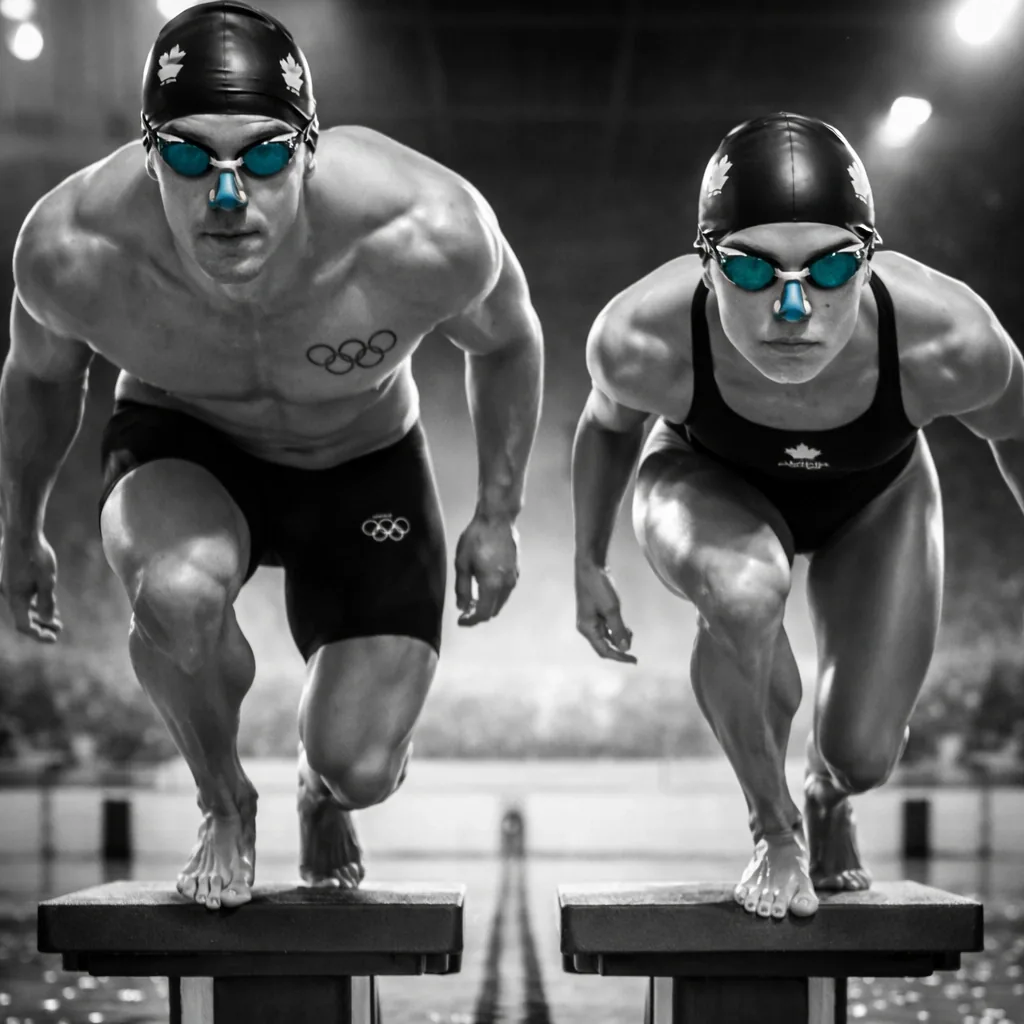
Why Athletes Choose Hair Removal
Hair removal is not cosmetic for many athletes. It is functional.
Across sports, athletes remove hair to:
- Reduce friction and drag
- Improve hygiene and odor control
- Make taping, massage, and recovery easier
- Reduce ingrown hairs and skin irritation
- Improve comfort during training and competition
These needs apply equally to men and women. Performance does not have a gender.
Common Sports Where Hair Removal Matters
Athletes from many disciplines seek professional hair removal, including:
- Swimmers
- Cyclists
- Runners and triathletes
- Bodybuilders and physique athletes
- CrossFit and strength athletes
- Martial artists and combat sports
- Dancers and performers
Each sport places different demands on skin, timing, and recovery.
Hair Removal Benefits by Sport
Swimmers
- Reduced drag in water
- Improved feel and efficiency
- Cleaner shave without razor irritation
Laser and electrolysis reduce daily shaving and skin trauma.
Cyclists
- Easier wound care after crashes
- Cleaner bandaging and massage
- Reduced folliculitis from tight gear
Professional hair removal prevents razor bumps under compression clothing.
Runners and Triathletes
- Less friction from clothing
- Reduced chafing
- Easier application of kinesiology tape
Skin health matters during long training blocks.
Strength and Physique Athletes
- Clear muscle definition
- Easier competition prep
- Reduced regrowth between events
Electrolysis is often used for fine detailing. Laser helps with larger areas.
Combat Sports and Martial Arts
- Better hygiene
- Easier taping and wound care
- Reduced infection risk
Permanent hair removal reduces repeated skin trauma.

Choosing the Right Hair Removal Method
Athletes need methods that respect training schedules and skin recovery.
Laser Hair Removal for Athletes
Laser offers long-term hair reduction and is ideal for:
- Large areas such as legs, back, chest, and arms
- Athletes with dark, coarse hair
- Those looking to reduce shaving frequency
Considerations for athletes:
- Treatments must be timed around training
- Sun exposure must be managed
- Not permanent for hormonal or fine hair
Laser is popular during off-season periods.
Electrolysis for Athletes
Electrolysis provides permanent hair removal and is ideal for:
- Fine or light hair
- Small or detailed areas
- Athletes who want a permanent solution
Benefits include:
- No pigment dependency
- No stimulation risk
- Predictable, permanent outcomes
Electrolysis works well year-round when sessions are planned carefully.
Waxing and Shaving Limitations
Temporary methods:
- Increase irritation and ingrowns
- Require constant maintenance
- Can inflame skin before events
Many athletes transition away from temporary methods due to skin fatigue.
Timing Treatments Around Training
Athletes must plan treatments strategically.
Best practices include:
- Avoiding laser immediately before competition
- Allowing healing time before intense friction or sweat
- Scheduling electrolysis consistently but conservatively
- Communicating training cycles clearly
Good planning prevents setbacks.
Skin Recovery and Performance
Healthy skin performs better.
Professional hair removal reduces:
- Chronic inflammation
- Razor burn and folliculitis
- Skin infections under tape or gear
Less irritation means fewer distractions and better focus.
Men and Women Have the Same Goals
While hair patterns may differ, the reasons athletes seek hair removal are the same:
- Efficiency
- Comfort
- Confidence
- Consistency
Hair removal is about function, not appearance.
Final Takeaway
Athletes choose hair removal to support performance, hygiene, and recovery. The best method depends on sport, skin type, hair characteristics, and training demands.
Laser and electrolysis offer long-term solutions that reduce maintenance and skin irritation. When planned correctly, professional hair removal becomes a practical part of athletic care, not an inconvenience.
More about the studio. body shaving and trimming as a service, the full method comparison on time, cost and results, seasonal hair removal, paying rent through Chexy and what MAIR means.